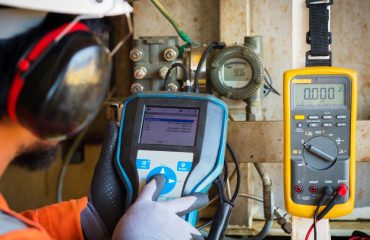


Want to know how to calibrate load cell equipment properly? Here’s how we do it at SWIA —and why professional calibration pays for itself in accuracy, uptime and compliance.
Why calibration isn’t a DIY job
Load cell calibration may change over time. If you sell by weight, operate a weighbridge or depend on accurate weight measurements for batching or production, that drift becomes lost revenue, quality control issues, or a compliance risk. Professional calibration gives you a traceable results backed by calibration and performance standards and an audit-ready certificate your business can rely on.
SWIA’s technicians are NMI-authorised to perform legal-for-trade verifications and issue compliance documents—vital where weight are determined for trade applications.
SWIA’s method: how we calibrate a load cell
1) Prepare & control
We confirm the load cell is installed correctly, mechanically free (no binding), and electrically sound. The system is powered, warmed up and zeroed under no-load. Environmental conditions, like wind, temperature and humidity may be monitored or controlled, as adverse changes to the testing environment can impact performance some weighing instruments. (OIML R60 recognises environmental influences in type testing.)
2) Use traceable reference standards
We apply known load using certified reference standards. Sometimes we use a combination of certified reference standards to verify deadweights (also known as substitution load or Dead load) to test high capacity instruments, like weighbridges, to capacity. We also sometime use a master load cell/control instrument, with a documented chain of traceability to national standards—so every point can be trusted and audited.
3) Multi-point, up/down cycles
Loads are applied in increasing and decreasing steps across the working range (for example; instrument “minimum” nominated by the manufacturer, 1/4, ½, ¾, full scale, then backward down to Zero). This captures linearity, repeatability and identifies potential hysteresis issues—the foundation of precise and reliable performance of calibration.
4) Record & compute correction
At each point we record the instrument indication and calculate the error, making span and zero corrections as necessary then retesting, to ensure your weighing instrument is performing optimally.
5) Documentation & labelling
You receive a calibration certificate with results with testing method and traceability references. Equipment is labelled with the calibration date and a next due date, aligning with your QMS and audit needs.
6) Legal-for-trade (where applicable)
If the weighing system is used for trade, SWIA can carry out the NMI verification/certification steps so you’re legally covered.
How often should you calibrate?
Intervals depend on usage, environment and risk. Heavy industrial duty, vibration, temperature cycling or frequent overloads justify shorter intervals. Critical trade systems often align to an bi-annual cycle (or tighter after any repair), with interim checks built into preventative maintenance. (OIML and NMI frameworks emphasise maintaining metrological performance in service, not just at initial install)
Common causes of drift (and how we prevent them)
- Mechanical issues: binding mounts, misaligned load cells, debris, or cable strain.
- Electrical problems: moisture ingress, damaged shields, earth faults, or ageing componentry.
- Process changes: different tare fixtures, temperature swings, shock loading.
Our calibration visit includes a mechanical and electrical health check so we fix root causes—not just the symptoms.
Business benefits of professional calibration
- Accuracy you can prove: Traceable results recognised and accepted by quality managers and auditors.
- Compliance & confidence: NMI-authorised verification for legal-for-trade weighing systems
- Less downtime: We calibrate on-site with the right test gear and experienced technicians, reducing production interruptions; planned maintenance catches faults before they become failures.
- Better decisions: Reliable weights improve batching, production forecasting, and quality—small errors add up quickly.
Ready to recalibrate?
If you’ve noticed drift, weight inconsistencies, product give-away, customer disputes or QC flags, it’s too late and your business is experiencing the effects of not having a routine maintenance and calibration schedule on your weighing equipment. SWIA provides on-site load cell and scale service, calibration, repairs, and NMI verifications across Queensland and beyond—backed by 40+ years of success in delivering industry leading products and servicing in the weighing space.
Book a service and we’ll tailor the procedure to your process, uphold instrument performance integrity, and keep your operation compliant and profitable.