

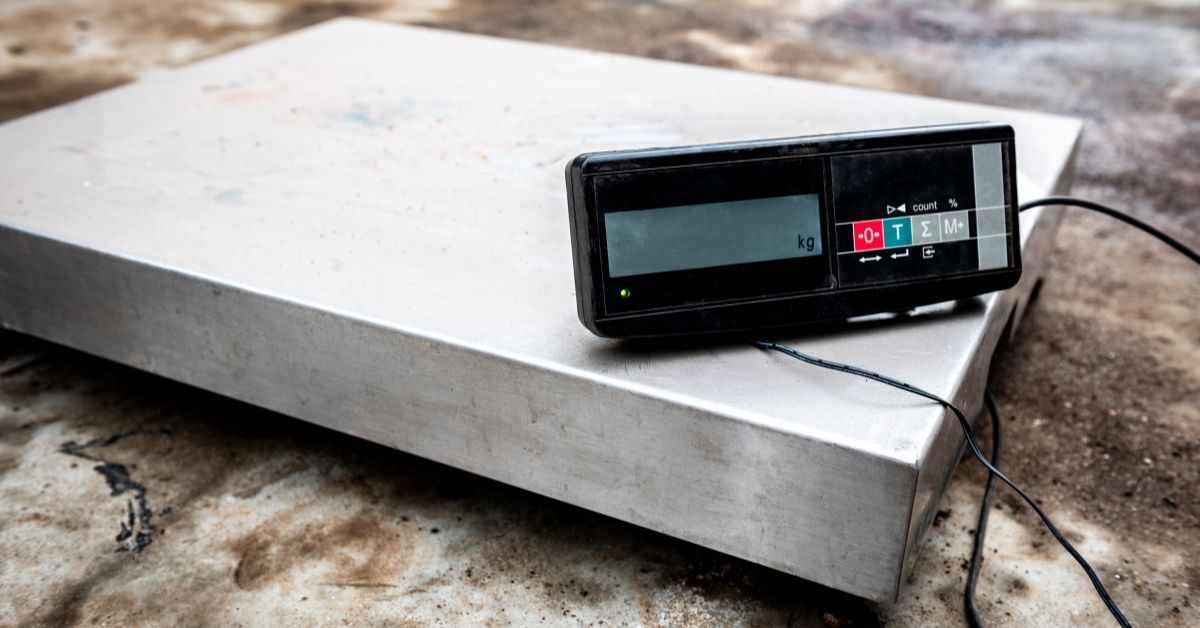
In busy production, warehousing, and quality assurance environments, a scale is only as useful as its accuracy. If you’re searching for how to calibrate a platform scale, the key takeaway is: calibration should be a controlled, traceable procedure—not guesswork. Professional calibration protects quality, compliance, and uptime, ultimately saving far more than it costs.
Why Platform Scale Calibration Matters
Accurate weighing is critical for:
- Batching and filling operations
- Inventory control and stock management
- Labelling and invoicing
- Meeting legal-for-trade requirements
Mis-calibration can lead to giveaway, rejects, customer claims, and audit failures. Routine, documented calibration ensures your scale performs to specification, giving confidence in every business decision that depends on weight.
Professional Calibration Process: What It Involves
Here’s how SWIA technicians calibrate a platform scale. This overview is educational, not a DIY guide—proper calibration requires certified test weights, controlled environments, and expert judgement.
1. Stabilise and Prepare
Place the scale on a level, vibration-free surface, allow warm-up, and clear the platform of debris or obstructions. Confirm no part of the structure contacts walls, cables, fixtures or derbis.
2. Zero the Scale
With an empty platform, set and verify zero. If zero drifts, further investigation of environment, electronics, or mechanics is needed before proceeding.
3. Apply Certified Test Weights
Use traceable, certified test masses appropriate to the scale’s capacity and resolution. Load centrally and at multiple points, recording readings at various steps (e.g., 10%, 50%, 100% capacity). Avoid improvised weights—accuracy depends on traceability.
4. Adjust Readouts
If readings are outside tolerance, technicians adjust the indicator (span/linearisation) and check summing cards on multi-cell platforms. Adjustments are sealed or password-protected to maintain integrity.
5. Verify Accuracy and Repeatability
Re-run test points, including loading and unloading, to check for hysteresis and repeatability. Corner tests on platform scales ensure even response across the deck. Significant corner error may indicate mechanical interference, cell mismatch, or wiring issues—not a simple calibration tweak.
6. Seal, Document, and Label
Calibration is completed with proper sealing, full documentation of results, uncertainty, pass/fail status, and a calibration label with the due date. For trade instruments, Legal-For-Trade Verification is conducted once all requirements are met.
Troubleshooting Common Platform Scale Issues
Even perfect calibration cannot compensate for mechanical or environmental issues. Common culprits include:
- Drift or slow creep: Moisture in connectors, temperature swings, or mechanical binding.
- Jumpy or irregular readings: Vibration, air movement, forklift traffic, or electrical noise/ground loops.
- Corner error: Debris under one corner, bent feet, uneven floor, or a damaged load cell.
- Zero won’t settle: Product residue, hoses, or frame contact.
- Non-linearity: Overload history, incorrect span, or contact with stops.
If problems persist after housekeeping, stop and book a technician—DIY adjustments can worsen accuracy and compliance risks.
Ongoing Care for Reliable Accuracy
Professional calibration is most effective when paired with simple maintenance:
- Keep the scale clean, especially under the deck and around stops
- Re-level and inspect feet after moves or floor work
- Protect cables and junction boxes from crushing, moisture, or stretching
- Control environment – Minimise drafts, vibration, and temperature shocks
- Schedule routine service according to usage, risk, and audit requirements
Why a Professional Calibration Service is Critical
Knowing how to calibrate a platform scale doesn’t replace the tools, expertise, and traceable procedures a professional provides. SWIA technicians bring:
- Certified test weights and diagnostic tools
- Expertise to distinguish calibration issues from mechanical or electrical faults
- Traceable documentation that satisfies audits and legal-for-trade obligations
Attempting DIY calibration with improvised weights or undocumented adjustments can mask real faults, void seals, and create long-term problems.
Proper calibration keeps your platform scale reliable, compliant, and cost-effective throughout its life.
The SWIA Advantage
Since 1979, Sensortronic Weighing & Inspection Australasia (SWIA) has delivered industry-leading solutions in:
- Installation and maintenance
- Calibration and Legal-For-Trade Verification
- Test pieces and weight management solutions
Whether you’re seeing drift, corner error, or instability—or simply need routine calibration—SWIA provides professional, traceable services you can trust.
Ready for Dependable Accuracy?
Contact SWIA today to schedule professional platform scale calibration and receive traceable, audit-ready results you can rely on.


