
When goods are bought and sold by weight, accuracy is not optional. A weighbridge that reads light or a packaging scale that drifts outside tolerance can trigger fines, customer disputes, and reputational damage. Across Australia, any organisation that trades by kilograms or tonnes must use legal for trade scales in Australia that meet National Measurement Institute (NMI) requirements. These certified weighing systems protect revenue, ensure fairness in transactions, and support regulatory compliance across industries such as mining, waste management, agriculture, logistics, and manufacturing.
What Legal for Trade Scales Mean for Australian Businesses
Legal for trade scales are weighing instruments that have received formal approval for commercial use under Australian trade measurement law. If the amount a customer pays is determined by weight, the instrument used must be approved and verified. A standard industrial scale is not sufficient for lawful trade unless it has passed the required approval and certification process.
Trade measurement compliance ensures customers receive the correct quantity while businesses avoid undercharging or overcharging due to inaccurate readings. The National Measurement Institute regulates measurement standards across Australia, with inspectors authorised to test equipment, review documentation, and issue penalties where non-compliant instruments are in use.
For high-volume operations such as quarries, transfer stations, and production plants, even small inaccuracies can accumulate into significant financial losses. This makes legal for trade scales and weighbridge systems critical operational assets rather than optional equipment.
Understanding NMI Approval and Verification
Compliance with trade measurement law involves two essential stages. The first is type approval, which applies to the instrument model. Manufacturers submit designs to the NMI for testing against strict standards covering accuracy, repeatability, environmental stability, and resistance to tampering.
The second stage is verification of each installed unit. Once an approved scale is installed, it must be calibrated and verified by an NMI-licensed technician using certified test weights. Only then can it be used for commercial transactions.
Verification must be repeated at required intervals and after relocation, repair, or suspected inaccuracy. Both approval and verification are mandatory—approval confirms the design is suitable, while verification confirms the system performs correctly on site.
Types of Legal for Trade Weighing Equipment in Australia
Legal for trade weighing equipment covers a wide range of applications across Australian industries:
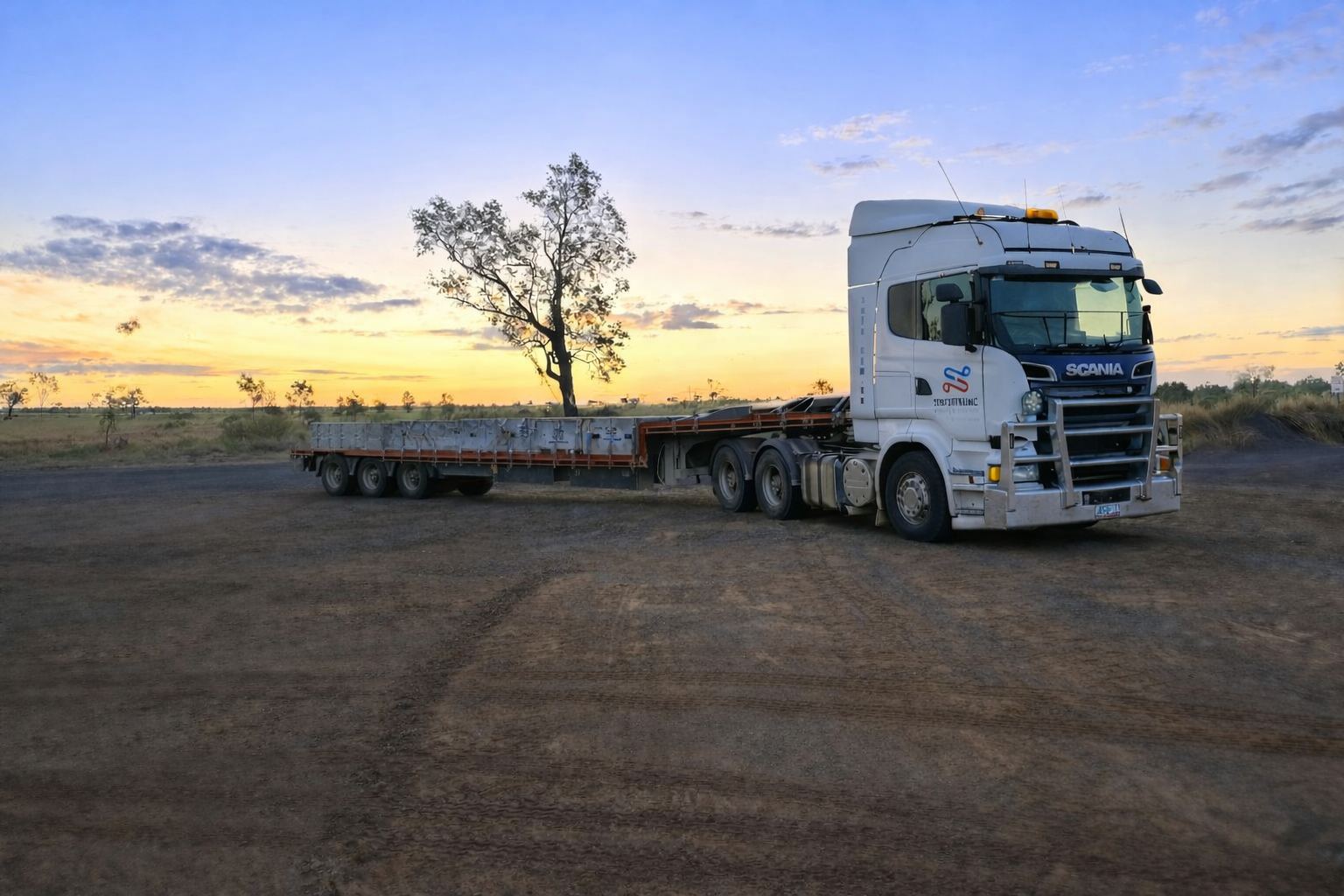
- Weighbridge systems (truck weighing systems) used in mining, quarrying, and waste management for vehicle load measurement
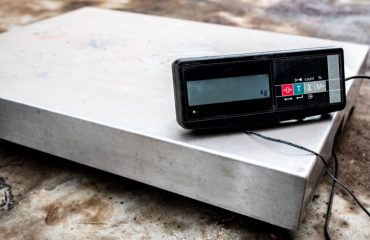
- Industrial platform scales for warehouses, agriculture, and manufacturing
- Washdown scales for food and chemical environments requiring hygiene and corrosion resistance
- Retail price computing scales linking weight directly to customer transactions
In each application, if weight determines price, the equipment must be a verified legal for trade scale. Selecting the right industrial weighing equipment in Australia involves matching capacity, environment, and compliance requirements.
Maintaining Trade Measurement Compliance
Compliance does not end at installation. Environmental factors, mechanical wear, and ongoing use can affect accuracy over time. Even minor drift can lead to substantial financial discrepancies across large transaction volumes.
Regular re-verification, calibration, and preventative maintenance are essential. Instruments that are damaged, relocated, or repaired must be removed from service until re-verified. Clear procedures and accurate records demonstrate compliance and reduce risk during inspections.
Treating legal for trade scales as managed assets ensures long-term reliability, accuracy, and compliance.
Compliant Weighing Solutions for Australian Industry
Sensortronic Weighing and Inspection Australasia (SWIA) supports organisations across Australia with NMI-approved scales, weighbridge systems, and compliant weighing solutions. With more than forty years of experience and NMI licensing credentials, SWIA works across mining, waste management, agriculture, logistics, and manufacturing sectors.
Solutions include:
- Heavy-duty weighbridges and truck weighing systems
- Industrial platform and process scales
- Calibration, verification, and maintenance services
- Integrated inspection systems such as checkweighers and metal detectors
By combining compliant equipment with structured maintenance and local technical support, businesses can ensure their legal for trade scales in Australia remain accurate, reliable, and fully compliant over the long term.