

In commercial food operations, accuracy isn’t a luxury—it’s a legal and financial necessity. A checkweigher overfilling 500g packages by just 8 grams may seem minor until the annual losses reach thousands of dollars. Across Australian food and waste facilities, inaccurate weighing creates costly product giveaway, compliance breaches, and disputes that damage trust and profitability.
Defining Accuracy in Commercial Weighing
Accuracy means a scale consistently produces results within legally accepted tolerances. It differs from precision, which reflects repeatability rather than correctness. A precise scale might return identical readings, but if those readings differ from the true mass, it isn’t accurate.
Key specifications define a scale’s performance:
- Capacity — the maximum safe load the scale can handle.
- Readability — the smallest increment displayed.
- Tolerance — the allowable measurement error range.
High readability doesn’t guarantee accuracy. A scale displaying three decimal places can still produce incorrect results if it exceeds its tolerance limit. In food production, even a few grams of error can affect profitability or breach compliance.
Accuracy naturally drifts over time due to wear, temperature shifts, and vibration. Regular calibration and verification keep systems compliant with National Measurement Institute (NMI) standards, which govern trade measurement accuracy across Australia.
The Importance of Trade Approval and Certification
Any scale used to determine product price must hold NMI Trade Approval under the National Measurement Act 1960. This certification verifies that the scale design meets strict accuracy, construction, and tamper-resistance criteria.
Trade Approved scales are mandatory in industries such as:
- Produce and meat sales by weight
- Pre-packaged food pricing
- Waste and freight billing
- Agricultural and livestock operations
Operating without approved equipment risks significant fines and legal penalties. More importantly, it undermines customer confidence when disputes arise. Installation must include initial verification by a licensed technician, confirming the scale performs within tolerance in its actual environment. Relocating or repairing the equipment requires re-verification to maintain compliance.
SWIA supplies and services Trade Approved weighing systems across Australia, ensuring every installation meets legal standards and operates with certified precision.
Five Key Factors That Influence Accuracy
1. Scale Design and Build Quality
The load cell—the sensor converting weight into an electrical signal—is the foundation of accuracy. Industrial-grade load cells resist creep, hysteresis, and temperature fluctuations that cause drift. Construction materials, platform rigidity, and Ingress Protection (IP) ratings also determine performance in food environments. For washdown zones, IP67 or IP68-rated stainless-steel scales withstand high-pressure cleaning that would destroy lesser units.
2. Environmental Conditions
Temperature changes, vibration, and airflow all affect readings. Moving a scale from chilled storage to ambient conditions without acclimating it leads to temporary inaccuracy. Vibration from nearby conveyors or forklifts causes fluctuating displays, while air currents can disturb lightweight items on precision platforms. Solid, level foundations with vibration isolation and correct drainage are essential to reliable performance.
3. Operator Technique and Training
Human error remains a major cause of weighing inconsistencies. Incorrect loading, overfilling, or dropping products onto the platform can damage load cells or distort readings. Proper taring and zeroing before each use are essential. Staff must know equipment limits and basic troubleshooting procedures. SWIA’s training programs help operators handle equipment correctly, reducing wear and maintaining accuracy.
4. Maintenance and Inspection
Routine maintenance prevents small issues from escalating into failures. Inspections should include checks for damaged cables, loose mounting hardware, corrosion, and debris around load cells. Keeping a maintenance log provides traceability for audits and identifies recurring problems early. Preventive servicing costs far less than emergency repairs and reduces downtime while extending equipment lifespan.
5. Calibration and Verification
Even with proper maintenance, regular calibration is mandatory. Calibration adjusts the scale to restore accuracy, while verification checks performance using certified test weights. Professional calibration uses traceable standards and multi-point testing across the full range. Documentation provided by technicians supports compliance audits and quality assurance programs.
Calibration frequency depends on usage: heavy-duty, high-volume operations may require quarterly service, while moderate use might justify annual calibration. Neglecting this leads to drift, overfill, or underfill issues that impact both profit and compliance. SWIA’s NMI-licensed technicians deliver scheduled calibration and verification nationwide, maintaining consistent accuracy across every weighing point.
Choosing the Right Scale for the Job
Accuracy begins with proper scale selection. Scales perform most reliably within the mid-range of their capacity. Oversized equipment sacrifices sensitivity, while undersized systems risk overload and reduced lifespan. Food batching applications may demand 1g divisions for recipe accuracy, while agricultural bulk weighing may require only 20kg divisions.
Specialised designs address different operational needs:
- Washdown scales for meat, seafood, and dairy environments.
- Checkweighers for high-speed packaging lines verifying every unit.
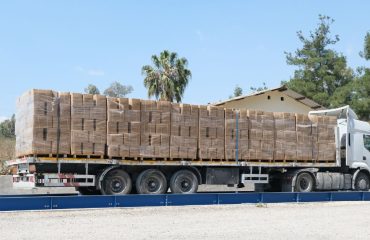
- Weighbridges for vehicles and bulk material handling in agricultural and waste sectors.
Matching equipment to the task ensures both efficiency and compliance.
Maintaining Accuracy with SWIA
With more than 40 years of experience, Sensortronic Weighing & Inspection Australasia (SWIA) delivers complete weighing solutions for Australia’s food and industrial sectors. Their NMI-licensed technicians provide:
- Certified installation and verification
- Scheduled calibration and maintenance programs
- Operator training and equipment audits
- Compliance support for Trade Approved systems
Accurate scales are the cornerstone of quality control, profitability, and consumer trust. Through professional calibration, proper maintenance, and correct application, SWIA ensures your weighing systems meet Australian standards and perform with precision day after day.