
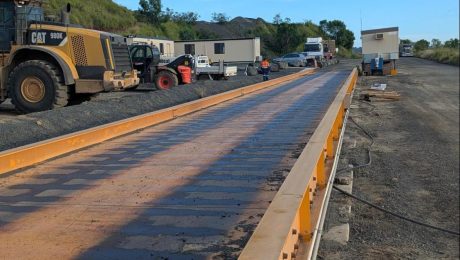
Weighbridge Installation Guide From Site To Sign Off
Monday, 23 March 2026
A weighbridge is not just a platform in the yard. It is a legal measuring instrument that directly affects compliance, safety, and revenue. The way it is planned and installed determines how accurately it performs over time. A structured weighbridge installation guide ensures each stage is handled correctly, reducing risk and avoiding costly issues after
- Published in News
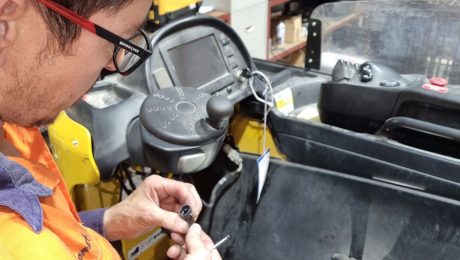
Calibration Benefits for Australian Weighing Operations
Monday, 23 March 2026
Accurate measurement underpins every operation that relies on weighing. From transport and logistics to mining, agriculture, and manufacturing, even small inaccuracies can compound into significant financial loss and compliance risk. Understanding calibration benefits helps Australian businesses maintain reliable data, protect revenue, and operate within regulatory requirements. Why accuracy matters in everyday operations Weighing systems naturally
- Published in News
How to Calibrate a Platform Scale: Why a Professional is Required
Friday, 13 March 2026
How to Calibrate a Platform Scale: Why a Professional is Required In busy production, warehousing and QA environments, scales are only as useful as their accuracy. If you’re wondering how to calibrate a platform scale, the short answer is: treat calibration as a controlled procedure, not a guess. Professional calibration protects quality, compliance and uptime—saving
- Published in News, Service & Calibration
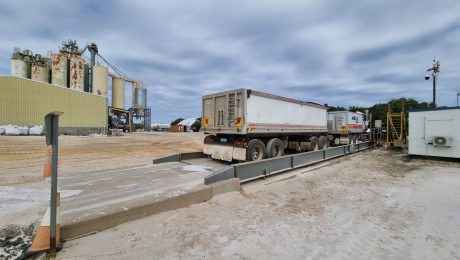
Weighbridge Maintenance Prevent Downtime And Costly Misreads
Thursday, 26 February 2026
A weighbridge is often the single control point that keeps trucks, materials, and revenue moving. When it fails unexpectedly and emergency weighbridge repairs are required, site operations can grind to a halt within minutes. Trucks queue at the gate, loaders sit idle, staff wait for instructions, and the cost of lost time escalates rapidly. For
- Published in News
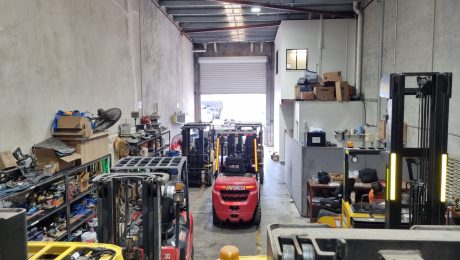
Improving Efficiency In Everyday Forklift Operations
Thursday, 26 February 2026
Every unnecessary trip from a forklift to a fixed platform scale or public weighbridge costs time, fuel, and productivity. Forklift scales eliminate this wasted movement by weighing loads directly on the forks during normal handling. For Australian operations working under tight margins and demanding schedules, onboard weighing has become a practical necessity rather than an
- Published in News
Industrial Weighing Equipment for Australian Sites
Thursday, 26 February 2026
An overloaded truck leaving a quarry, a batching error in a processing plant, or undercharged waste loads at a transfer station all trace back to one issue: inaccurate or unsuitable industrial weighing equipment. In Australia, where compliance and safety standards are strict, the right weighing system is not optional. It protects revenue, reduces risk, and
- Published in News
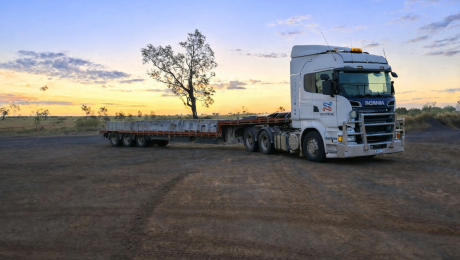
Legal for trade scales for compliant weighing in Australia
Thursday, 26 February 2026
When goods are bought and sold by weight, accuracy is not optional. A weighbridge that reads light or a packaging scale that drifts outside tolerance can trigger fines, customer disputes and reputational damage. Across Australia, any organisation that trades by kilograms or tonnes must use legal for trade scales that meet National Measurement Institute requirements.
- Published in News
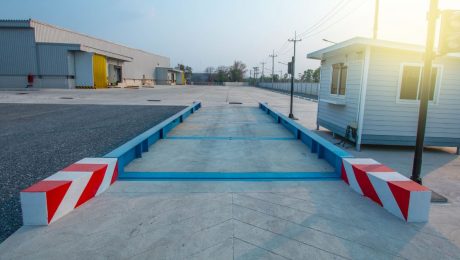
Expert Weighbridge Maintenance and Load Cell Replacement at Holcim Petrie
Thursday, 15 January 2026
SWIA recently completed a comprehensive weighbridge maintenance and upgrade at Holcim Petrie, tackling challenges with an in-ground industrial weighbridge. The site’s operator, highly focused on accuracy, had experienced recurring issues under previous service providers. SWIA’s technicians quickly established trust through professional workmanship, reliable service, and clear communication. The Challenge The in-ground weighbridge required immediate attention
- Published in News

Are Food Scales Accurate? Ensuring Precision in Commercial and Industrial Food Operations
Tuesday, 09 December 2025
In commercial food operations, accuracy isn’t a luxury—it’s a legal and financial necessity. A checkweigher overfilling 500g packages by just 8 grams may seem minor until the annual losses reach thousands of dollars. Across Australian food and waste facilities, inaccurate weighing creates costly product giveaway, compliance breaches, and disputes that damage trust and profitability. Defining
- Published in News
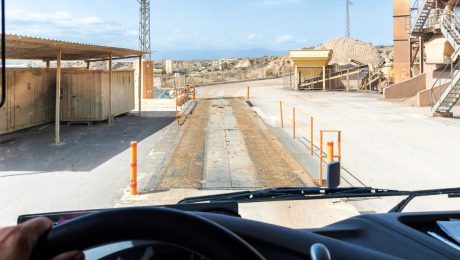
Why Accurate Truck Weighing Improves Safety, Compliance, and Profitability
Tuesday, 09 December 2025
Introduction A set of scales for weighing trucks can look like just another piece of yard equipment. Yet a few kilograms out on that display can mean the difference between a safe shift and a serious accident, a clean audit and a six‑figure fine, a fair invoice and quiet profit losses. Small errors add up
- Published in News


