
How to Calibrate a Platform Scale: Why a Professional is Required
Friday, 13 March 2026
How to Calibrate a Platform Scale: Why a Professional is Required In busy production, warehousing and QA environments, scales are only as useful as their accuracy. If you’re wondering how to calibrate a platform scale, the short answer is: treat calibration as a controlled procedure, not a guess. Professional calibration protects quality, compliance and uptime—saving
- Published in News, Service & Calibration
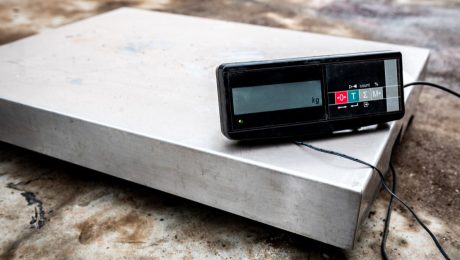
How to Calibrate a Platform Scale: The Importance of Professional Calibration
Tuesday, 04 November 2025
In busy production, warehousing, and quality assurance environments, a scale is only as useful as its accuracy. If you’re searching for how to calibrate a platform scale, the key takeaway is: calibration should be a controlled, traceable procedure—not guesswork. Professional calibration protects quality, compliance, and uptime, ultimately saving far more than it costs. Why Platform
- Published in News, Service & Calibration
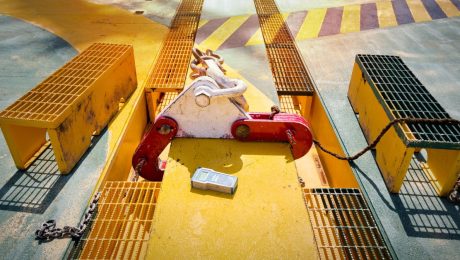
How to Test a Load Cell: Why DIY Checks Can Cost You
Tuesday, 04 November 2025
If you’re searching for how to test a load cell, it’s probably because your scale is drifting, failing verification, or giving intermittent faults. While a quick DIY check might seem tempting, load cells are precision transducers—and incorrect handling can damage equipment, compromise traceability, and void warranties. Here’s why professional testing is essential, what it includes,
- Published in News, Service & Calibration
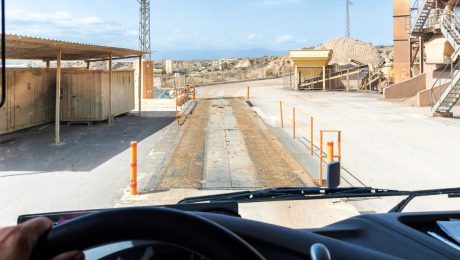
How to Calibrate a Weighbridge: SWIAs Method Compliance Payoff
Monday, 08 September 2025
If you’re Googling “how to calibrate weighbridge”, here’s the reality: true calibration is a standards-based, traceable procedure—not a quick tweak with a test truck. At SWIA (Sensortronic Weighing & Inspection Australasia) we calibrate and, where required, verify for legal use under Australia’s trade measurement framework, so your readings stand up in audits and compliance with
- Published in News, Service & Calibration, Weighbridges
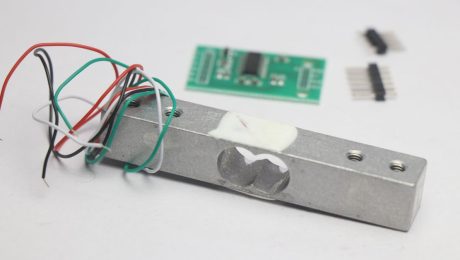
How to Calibrate a Load Cell: SWIAs Professional Method Business Benefits
Monday, 08 September 2025
Want to know how to calibrate load cell equipment properly? Here’s how we do it at SWIA —and why professional calibration pays for itself in accuracy, uptime and compliance. Why calibration isn’t a DIY job Load cell calibration may change over time. If you sell by weight, operate a weighbridge or depend on accurate weight
- Published in News, Service & Calibration
Why Regular Equipment Calibration is Important
Wednesday, 30 July 2025
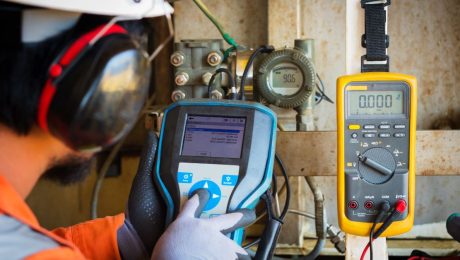
Precision matters in every industry, and accurate measurements form the backbone of reliable operations across Australia’s diverse industrial sectors. Equipment calibration—the process of verifying measuring devices against known standards—ensures that businesses can trust their data when making critical decisions. From waste management facilities operating weighbridges to mining operations that depend on belt weighers and agricultural
- Published in News, Service & Calibration
How to Know When You Should Replace a Load Cell
Wednesday, 30 July 2025
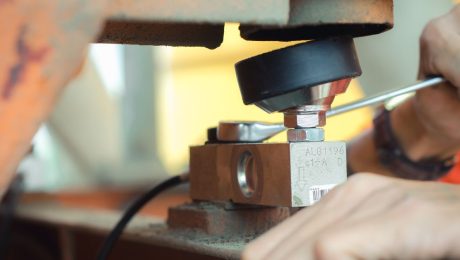
Load cells form the backbone of a weighing system. They are the component that facilitates the measurement of loads applied to a weight receptor and become critical to production quality, cost determination and inventory management across ones business, allowing operations to run smoothly. Whether you’re managing a municipal waste facility in Sydney, operating a mining
- Published in News, Service & Calibration
What Is a Weighbridge? Exploring Heavy-Duty Vehicle Weighing Solutions
Monday, 10 March 2025
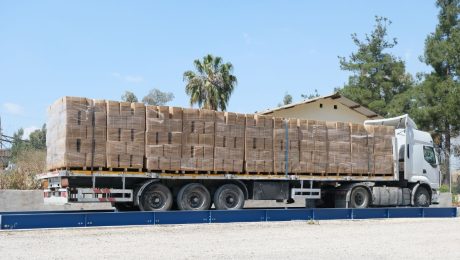
In industries such as transportation, logistics, mining, and agriculture, managing heavy loads is a daily priority. Keeping track of vehicle weights is crucial not only for safety and compliance but also for operational efficiency. This is where a weighbridge comes into play. By providing accurate, large-scale weighing solutions, weighbridges help businesses maintain regulatory standards, streamline
- Published in News, Service & Calibration, Weighbridges

A Guide To Crane Scale Repair & Maintenance
Thursday, 30 September 2021
If you or your business constantly uses a crane scale as part of your daily activities, you will no doubt be looking for a trusted crane scale repair Queensland industries can rely on. In this article, we’ll cover what a crane scale can do for you, the importance of scheduling regular crane scale repair work,
- Published in News, Service & Calibration

Ensuring Efficiency in the Manufacturing Industry
Friday, 14 June 2019
In the manufacturing industry, time is money. Loss of production due to equipment downtime can result in reduced revenue. At SWIA, our team of experts works with a variety of clients in the manufacturing industry to ensure peak operations and reduce downtime. Service Agreements The manufacturing industry relies on smooth production lines to ensure peak
- Published in News, Service & Calibration


