

Accurate weighing plays a critical role in many industries, influencing financial outcomes, safety, and compliance. Choosing between digital and mechanical scales is not simply a technical decision. It affects how confidently measurements are recorded, how efficiently operations run, and how well standards are maintained.
Mechanical systems rely on physical components such as levers, pivots, and springs to measure weight. Digital systems use load cells and electronic sensors to convert force into a measurable signal. Both approaches have been used successfully, yet modern demands place different expectations on each type.
Accuracy and Readability in Daily Use
Mechanical scales depend on precise alignment of moving parts. Over time, wear and environmental conditions can affect performance. Dust, moisture, and repeated loading can introduce small variations that are difficult to detect without regular adjustment. These changes may not be immediately visible but can influence accuracy.
Reading a mechanical display also requires interpretation. Dials or beams must be viewed from the correct angle, and small differences in observation can lead to inconsistent readings. In busy environments, this introduces the possibility of human error, particularly when results are recorded manually.
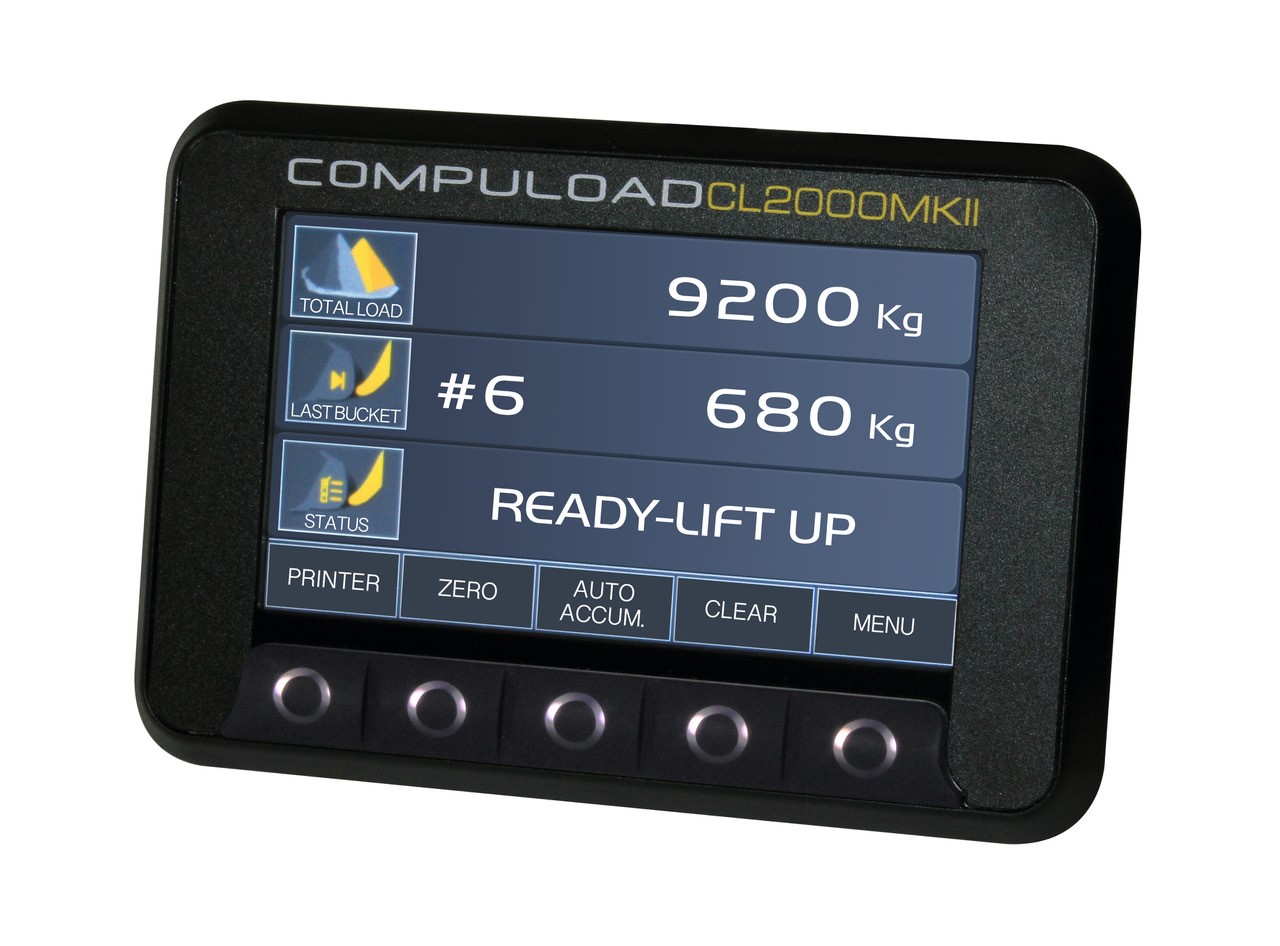
Digital scales provide a more direct reading. The output is displayed clearly, reducing interpretation and improving consistency. The same load produces the same value each time, which supports reliable measurement. Stability features within digital systems also help maintain steady readings in conditions where vibration or movement may occur.
Consistency is particularly important when measurements are used for compliance or financial transactions. Reliable readings reduce disputes and support confidence in recorded data.
Durability and Maintenance Considerations
Mechanical scales are often built with strong structural components, which can give the impression of durability. However, the internal mechanisms require regular maintenance to remain accurate. Moving parts must be kept clean and aligned, and exposure to harsh conditions can accelerate wear.
Maintenance often involves manual adjustment and inspection, which can increase downtime. In high demand environments, this can disrupt operations and reduce efficiency. Over time, the cost of maintaining mechanical systems can become significant.
Digital systems are designed with fewer moving parts. Sealed components protect sensitive elements from environmental exposure, reducing the risk of damage. Routine maintenance is typically less complex, focusing on inspection and calibration rather than mechanical adjustment.
This difference in design contributes to long term reliability. Fewer points of wear mean that digital systems can maintain performance with less frequent intervention, supporting more consistent operation.
Efficiency and Data Integration
Mechanical scales provide a local reading that must be recorded manually. This process can be time consuming and introduces opportunities for error. Transferring data between systems often requires additional steps, which can slow down workflows.
Digital systems integrate more easily with modern processes. Weight data can be transmitted directly to other systems, allowing for automatic recording and analysis. This reduces manual input and improves efficiency across operations.
Access to digital data also supports better decision making. Records can be stored, reviewed, and analysed to identify trends or issues. This level of visibility helps organisations manage performance more effectively and respond to changes more quickly.
Automation features further enhance efficiency. Functions such as automatic calculation and data transfer reduce the need for manual intervention, allowing staff to focus on other tasks.
Choosing the Right Solution for Your Needs
Selecting the appropriate scale depends on the specific requirements of the operation. Mechanical systems may still be suitable for simple applications where precision and data integration are less critical. However, for most modern environments, the advantages of digital systems are more aligned with current expectations.
Accuracy, reliability, and efficiency are key factors in maintaining effective operations. Digital systems support these requirements by providing consistent measurements and integrating with broader workflows. This combination helps reduce errors and improve overall performance.
Understanding the differences between these technologies allows organisations to make informed decisions. By considering both immediate needs and long term goals, it is possible to choose a solution that supports accuracy, efficiency, and continued growth.


