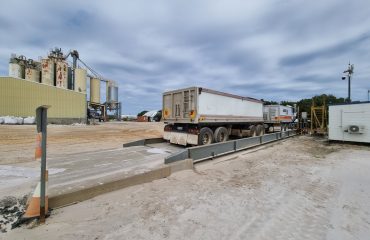

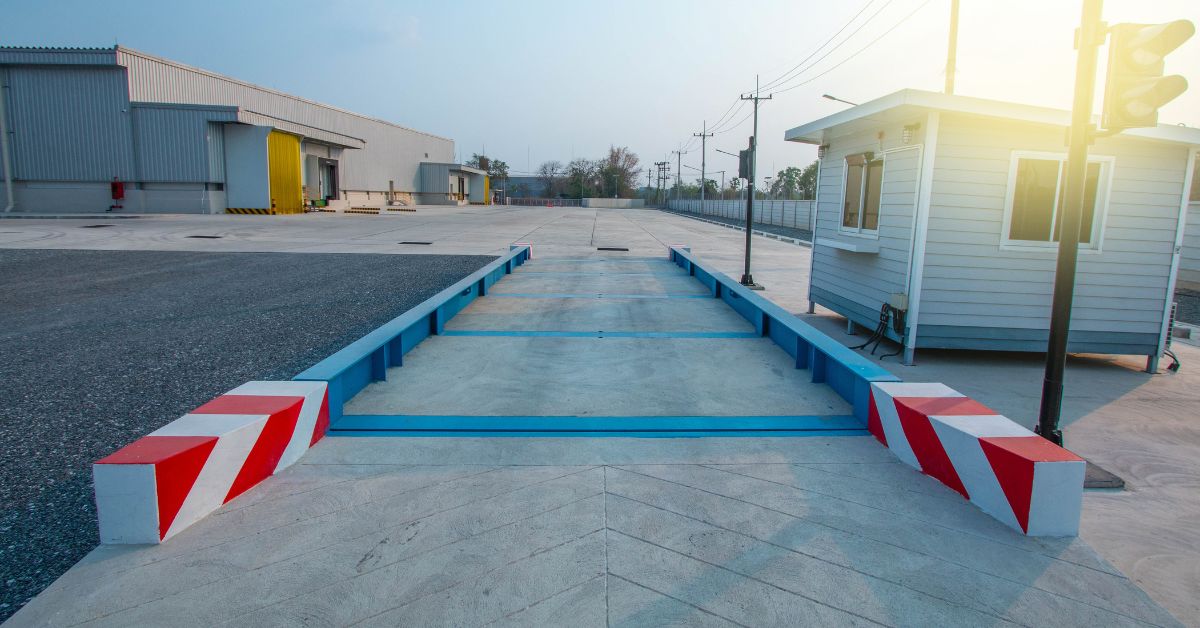
Weighbridges are essential for industries that handle large-scale loads, from transport and agriculture to mining and waste management. Whether you’re looking to install your first weighbridge or upgrade an outdated system, understanding the true cost of a weighbridge is key to making an informed and financially sound investment. So, how much does a weighbridge cost in Australia? The answer depends on several important variables.
Factors That Influence Weighbridge Price
Several elements impact the overall price of a weighbridge system. These include:
1. Size and Capacity:
The larger the weighbridge and the heavier the load it needs to measure, the more you can expect to pay. Standard truck weighbridges typically range from 18 to 30 metres in length and are priced accordingly. Higher-capacity systems for mining or industrial use will cost significantly more.
2. Construction Materials:
Concrete weighbridges tend to cost more upfront than steel versions but offer greater durability and lower maintenance over time. Steel options are quicker to install and may suit temporary or mobile applications better.
3. Type of Installation:
Above-ground weighbridges are generally less expensive to install due to lower site preparation costs. In-ground (pit) installations, while more aesthetically discreet and space-saving, involve extensive civil works, increasing total expenditure.
4. Additional Features and Technology:
Advanced weighbridges can include digital indicators, RFID tracking, CCTV integration, software for data analysis, and automatic number plate recognition. While these features raise the initial investment, they improve efficiency, reduce human error, and enhance data tracking.
5. Site Conditions:
Factors like soil type, drainage, and access for construction equipment can impact civil works costs, which are often a separate line item in the project budget.
Typical Price Ranges in Australia
While every project is different, here’s a general guide to costs in the Australian market for a typical 20m weighbridge:
- Basic Steel Weighbridge (Above-Ground): $90,000–$130,000
- Concrete Weighbridge (Above-Ground): $110,000–$150,000
- High-Capacity Industrial Weighbridge (Above-Ground): $180,000–$250,000+
Keep in mind these estimates are for supply and installation only. Additional costs may include calibration, certification, automation integrations and data software licences, ongoing maintenance, and standard above-ground civil works variation.
Long-Term Value and ROI
While the initial outlay for a weighbridge can seem substantial, the return on investment (ROI) is often realised through improved operational efficiency and reduced financial risk.
- Legal-for-trade compliance:
Ensure compliance with Fair Trade regulations in buying and selling of goods and/or services.
2. Reduced Overloading Fines:
Accurate weight data helps ensure compliance with transport regulations, avoiding costly fines and penalties.
3. Optimised Fleet Management:
Better load monitoring reduces wear and tear on vehicles, improving fuel efficiency and extending the lifespan of your fleet.
4. Improved Inventory Control:
When integrated with inventory systems like W8suite, weighbridges can offer real-time tracking of incoming and outgoing goods and can also facilitate internal inventory management of stock on-hand, such as stock-piles and silo levels, supporting client invoicing and business insight.
5. Labour Savings:
Automated features such as unmanned weighbridge operation or data logging reduce manual input, saving time and labour costs.
By helping you avoid legal issues, maximise vehicle use, and track product movement accurately, a quality weighbridge pays for itself over time.
Choosing the Right Supplier
To get the best value from your investment, it’s critical to choose a reputable Australian weighbridge supplier. Look for:
- Proven Industry Experience with similar projects.
- Local Support and Maintenance Services to minimise downtime.
- Australian Legal for Trade Verification, ensuring compliance.
- Transparent Warranty and Service Agreements.
- Customisation Options based on your operational needs.
Ensure the supplier conducts a full site assessment and offers ongoing calibration and verification services to maintain accuracy.
How to Maximise Your Investment
Understanding how much a weighbridge costs is about more than the initial quote. It’s about recognising the value it adds to your operations over time. By selecting the right size, materials, and supplier—and by maintaining the system regularly—you can maximise your ROI and ensure your business remains compliant, efficient, and competitive.
Looking for a trusted provider of weighbridge installations and calibrations in Australia? Explore SWIA’s weighbridge solutions and services here.