
An overloaded truck leaving a quarry, a batching error in a processing plant, or undercharged waste loads at a transfer station all trace back to one issue: inaccurate or unsuitable industrial weighing equipment. In Australia, where compliance and safety standards are strict, the right weighing system is not optional. It protects revenue, reduces risk, and supports operational efficiency across industries.
Industrial weighing equipment must match both the application and National Measurement Institute requirements. Any system used for trade must be approved and verified. Selecting equipment based solely on purchase price can result in fines, downtime, and lost trust. The best weighing scales in Australia are those designed for the operating environment, process flow, and compliance obligations of each site.
Why Equipment Selection Matters
Accurate weight data drives billing, logistics, production control, and regulatory reporting. In mining and quarry operations, incorrect truck weights can breach road limits and create safety hazards. In municipal waste facilities, inaccurate readings lead to undercharging or disputes with customers. In food manufacturing, small batching errors compound into large financial losses over time.
Downtime is equally costly. A failed weighbridge or hopper system can halt vehicle movement, interrupt production, and disrupt schedules. Equipment that cannot withstand dust, vibration, moisture, or temperature extremes will struggle in Australian conditions. Selecting industrial weighing equipment built for the site environment ensures reliability and long service life.
Key Factors in Choosing Industrial Weighing Equipment
Capacity and accuracy are the starting points. Equipment must handle maximum loads comfortably while delivering resolution suitable for the process. Truck weighbridges require durable load cells and stable performance under heavy traffic. Process batching systems may require higher precision to maintain product consistency.
Environmental conditions play a significant role. Outdoor weighbridges must tolerate mud, water, and temperature variation. Food processing facilities require hygienic materials such as stainless steel and high ingress protection ratings to withstand washdown. Corrosion resistance and robust cabling are essential in coastal and chemical environments.
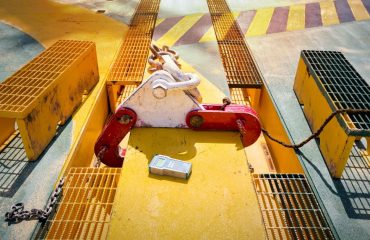
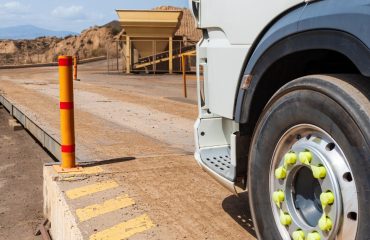
Equipment type should align with operational needs. Weighbridges serve transport and bulk material handling. Hopper and tank systems manage batching and level monitoring. Belt weighers track throughput on conveyors. Platform and bench scales support warehouse and packing operations. Hazardous area systems are necessary where flammable materials are present. For manufacturing lines, inspection equipment such as checkweighers and metal detection units enhance quality control.
Integration with software and automation systems improves efficiency. Modern indicators connect directly to enterprise systems, inventory management platforms, and reporting tools. Data capture and real time monitoring reduce manual entry errors and provide stronger process control.
Compliance and Long Term Performance
National Measurement Institute regulations govern trade measurement across Australia. Legal for trade instruments must be verified and maintained. Non compliant systems risk enforcement action and commercial disputes. Working with an NMI licensed provider ensures equipment is installed and certified correctly.
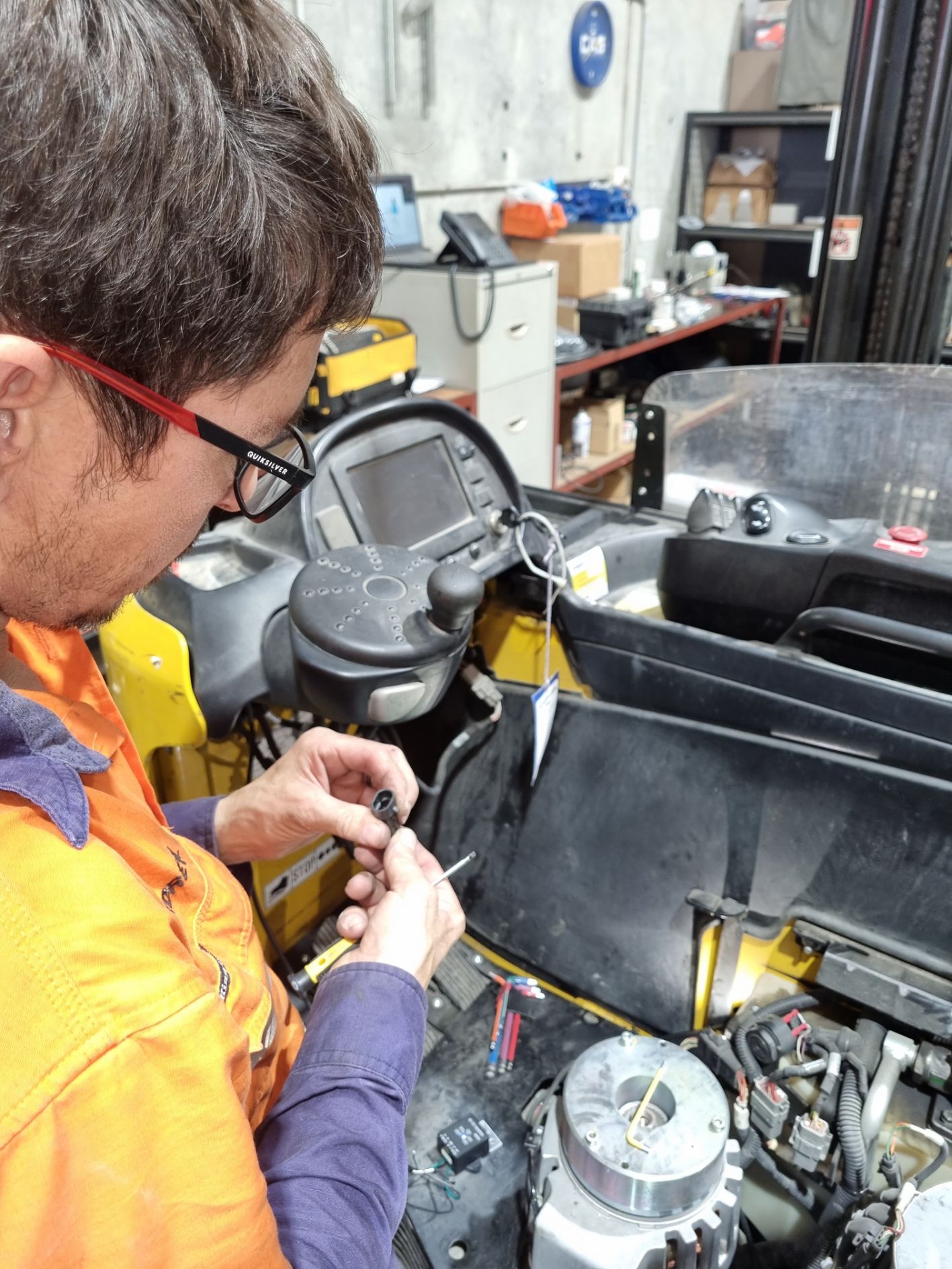
Calibration is essential for ongoing accuracy. Load cells and indicators can drift over time due to environmental stress and mechanical wear. Scheduled calibration using certified test weights maintains confidence in data and supports compliance. Preventative maintenance identifies issues such as cable damage, water ingress, or component wear before they cause failure.
A planned service programme extends equipment life and protects return on investment. Reliable support is particularly important in remote or high volume operations where downtime impacts multiple processes.
Why Choose Sensortronic Weighing and Inspection Australasia
Sensortronic Weighing and Inspection Australasia brings more than forty years of experience to Australian sites. The company supplies and supports industrial weighing equipment across mining, waste management, agriculture, logistics, and manufacturing sectors.
Solutions include heavy duty weighbridges, hopper and silo systems, belt weighers, platform scales, and hazardous area installations. For manufacturing clients, SWIA also provides inspection technologies such as checkweighers and metal detection systems integrated with automation controls. As a National Measurement Institute licensed provider, SWIA delivers verification, calibration, maintenance, and technical support through a single point of contact.
Industrial weighing equipment is a critical operational asset. The right system protects revenue, ensures compliance, and supports safe, efficient performance. Careful selection based on capacity, environment, integration, and long term service support delivers far greater value than focusing on price alone. For Australian operations seeking reliable weighing and inspection solutions, informed planning and experienced local support are essential.