
When goods are bought and sold by weight, accuracy is not optional. A weighbridge that reads light or a packaging scale that drifts outside tolerance can trigger fines, customer disputes and reputational damage. Across Australia, any organisation that trades by kilograms or tonnes must use legal for trade scales that meet National Measurement Institute requirements. These instruments protect revenue, ensure fairness in transactions and support regulatory compliance in sectors such as mining, waste management, agriculture, logistics and manufacturing.
What legal for trade scales mean for Australian operations
Legal for trade scales are weighing instruments that have received formal approval for commercial use under Australian trade measurement law. If the amount a customer pays is determined by weight, the instrument used must be approved and verified. A standard industrial scale that appears accurate is not sufficient for lawful trade unless it has passed the required approval and certification process. Trade measurement compliance ensures that customers receive the quantity they pay for and that businesses are not unintentionally undercharging or overcharging due to inaccurate readings.
The National Measurement Institute regulates measurement standards across Australia. Inspectors have the authority to test equipment, examine documentation and issue penalties where non compliant instruments are in use. For high volume operations such as quarries, transfer stations and production plants, even small errors can accumulate into significant financial losses. Legal for trade scales are therefore critical operational assets rather than optional accessories.
Understanding the NMI approval and verification process
Compliance with trade measurement law involves two essential stages. The first is type approval. This applies to the model of the instrument rather than to each individual unit. Manufacturers submit their design to the National Measurement Institute for testing against strict standards covering accuracy, repeatability, environmental stability and resistance to tampering. When a model satisfies these requirements, it is granted approval and becomes eligible for trade use.
The second stage is verification of each installed unit. Once an approved scale is installed at a site, it must be examined and calibrated by an NMI licensed technician. Certified test weights are used to confirm that the instrument performs within legally prescribed tolerances in its operating environment. Only after successful verification can the scale be used for commercial transactions. Verification must be repeated at required intervals and whenever the instrument is moved, repaired or suspected of inaccurate performance.
Both approval and verification are mandatory. Approval confirms that the design is suitable for trade use, while verification confirms that the specific instrument is operating correctly on site. Skipping either stage exposes a business to compliance breaches and financial risk.
Types of compliant weighing equipment across Australian industries
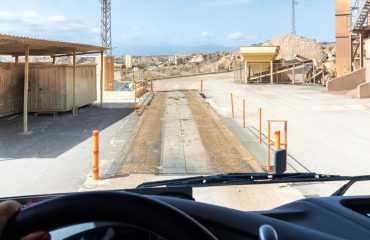
Legal for trade scales cover a broad range of industrial applications. Weighbridges are widely used in mining, quarrying and waste management where full vehicle loads are recorded for billing and reporting. Industrial platform scales support warehouses, agricultural depots and manufacturing facilities handling palletised goods and bulk containers. Washdown scales are common in food and chemical environments where hygiene and corrosion resistance are required. Retail price computing scales link weight directly to customer invoices in supermarkets and specialty outlets.
In each setting, if the weight reading determines the amount charged, the instrument must operate as a verified legal for trade scale. Selecting the right equipment involves more than choosing capacity. The system must suit the operating environment, withstand dust, vibration and moisture, and integrate with reporting and data management processes. Choosing compliant weighing equipment that aligns with operational needs and regulatory obligations strengthens long term competitiveness.
Maintaining trade measurement compliance over time
Compliance does not end at installation. Environmental conditions, mechanical wear and ongoing use can gradually affect performance. Even minor drift can translate into substantial discrepancies when multiplied across thousands of transactions. Regular re verification, structured maintenance and accurate record keeping are essential to maintaining lawful status.
Instruments that are damaged, relocated or significantly repaired should be removed from trade service until they are re verified. Clear internal procedures reduce risk and demonstrate due diligence during inspections. Treating legal for trade scales as managed assets rather than static hardware protects profitability and reputation.
Sensortronic Weighing and Inspection Australasia supports organisations across Australia with NMI approved equipment, on site verification and ongoing calibration services. With more than forty years of experience and NMI licensing credentials, SWIA works with councils, mining operators, waste facilities, agricultural enterprises and manufacturers to deliver compliant weighing systems built for Australian conditions. By combining approved equipment with structured maintenance and technical support, businesses can ensure their legal for trade scales remain accurate, reliable and fully compliant for the long term.