
A weighbridge is not just a platform in the yard. It is a legal measuring instrument that directly affects compliance, safety, and revenue. The way it is planned and installed determines how accurately it performs over time. A structured weighbridge installation guide ensures each stage is handled correctly, reducing risk and avoiding costly issues after commissioning.
Site Selection And Foundation Preparation
The success of any weighbridge installation starts with the site. Ground stability is critical, as any movement beneath the structure will affect accuracy. A geotechnical assessment helps confirm load bearing capacity and identifies risks such as soft soil or high moisture content. Without this step, long term performance can be compromised.
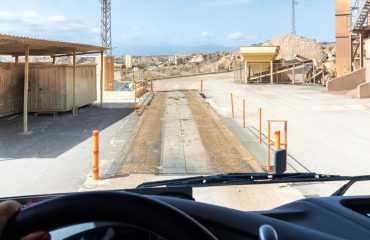
Traffic flow is equally important. Trucks must approach and leave the weighbridge on straight, level ground so weight can settle before measurement. Poor access design leads to inaccurate readings and increases safety risks on busy sites. Adequate space for turning and queuing must also be considered, especially for longer vehicles.
Drainage plays a major role in the lifespan of the installation. Water must be directed away from the weighbridge and its components. Poor drainage can damage load cells and structural elements, leading to premature failure. Pit mounted systems require additional attention, including drainage systems and pumps to prevent water build up.
Concrete foundations must be constructed to precise specifications using reinforced, high strength materials. The slab or pier system must be level and allowed to cure fully before installation proceeds. Rushing this stage often leads to cracking and long term structural issues that affect weighing accuracy.
Choosing The Right Weighbridge System
Selecting the correct system is a key part of any weighbridge installation guide. The right choice depends on site conditions, available space, and operational requirements.
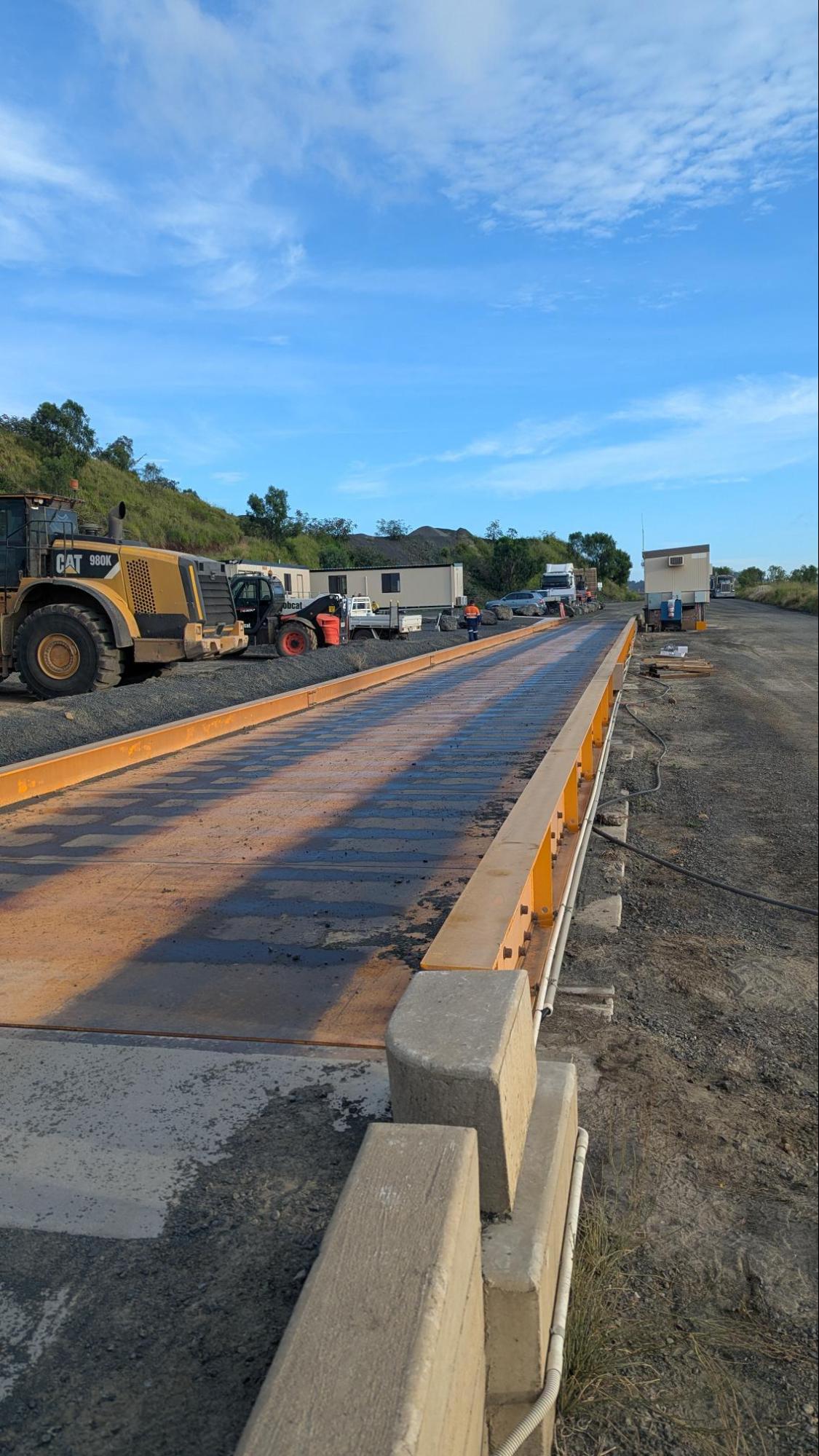
Above ground weighbridges are easier to maintain and allow natural drainage. They require ramps, which increase the footprint but simplify access for servicing. Pit mounted systems sit flush with the surrounding surface and suit tighter sites, but they involve more complex civil works and ongoing maintenance requirements.
Deck material also influences performance. Steel decks are lighter and faster to install, making them suitable for many applications. Concrete decks offer greater durability in harsh environments such as mining or waste facilities where heavy use and abrasive materials are common.
Load cells are the core of the weighing system. High quality sealed load cells are essential for Australian conditions, where dust, moisture, and temperature changes are constant factors. Digital load cells provide additional monitoring capabilities and simplify fault detection, improving long term reliability.
Modern systems often include integrated technology such as traffic lights, boom gates, cameras, and software platforms. These features improve operational efficiency, reduce manual input, and support automated weighing processes across busy sites.
Mechanical Assembly And Electrical Connection
Once the foundation is ready, installation moves to assembly. Deck modules are delivered and positioned using cranes. Each component must be carefully aligned and placed onto load cells to ensure even load distribution.
The weighbridge must be level across its full length. Adjustments are made using shims to achieve correct positioning. Any contact between the deck and surrounding structures must be avoided, as friction can interfere with measurement accuracy.
Restraint systems are installed to prevent movement caused by braking or environmental forces while still allowing normal expansion. Proper installation of these components ensures stability without restricting the system.
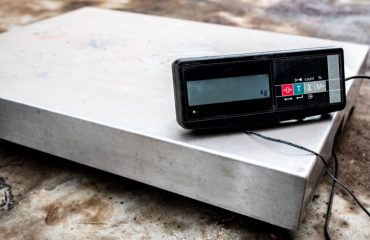
Electrical connections link load cells to a central indicator through protected cabling. Junction boxes combine signals from each load cell and balance readings across the platform. Correct installation prevents signal interference and maintains accuracy.
Earthing is essential to protect the system from electrical surges and environmental factors. A stable power supply supports consistent performance and protects sensitive electronics, ensuring reliable operation over time.
Calibration Certification And Commissioning
The final stage turns the installed structure into a compliant weighing system. Calibration aligns the weighbridge with certified standards using test weights. This ensures accurate readings across different load ranges and positions on the deck.
For trade use in Australia, verification by a licensed technician is required. This confirms the system meets National Measurement Institute standards and can legally be used for buying and selling by weight. Certification provides documented proof of compliance and must be retained for audits.
Commissioning includes testing all connected systems to ensure they operate together correctly. Indicators, traffic controls, and data systems are checked for functionality and accuracy. Operators are trained in daily use, including zero checks, basic maintenance, and correct operating procedures.
Ongoing calibration and servicing are required to maintain performance. Environmental conditions and regular use can affect accuracy over time, making scheduled maintenance essential. A well maintained weighbridge continues to deliver reliable measurements, supporting compliance and operational efficiency across its lifespan.