
Small errors in weighing systems can have serious consequences over time. When measurements are used to determine pricing, safety limits, or regulatory compliance, even minor inaccuracies can affect operations. For organisations across industries, maintaining accurate weighing systems is essential for both financial and operational stability.
In Australia, measurement standards are governed by strict regulations. When a scale is used for trade, it must meet legal requirements to ensure fairness and consistency. Treating verification as a one off task increases risk, as performance can change over time due to wear, environmental conditions, and regular use.
Understanding Legal Requirements for Trade Weighing
Trade measurement laws require that scales used for pricing or transactions meet approved standards. This ensures that all parties involved in a transaction receive accurate and consistent results. Compliance is not only a legal obligation but also a key factor in maintaining trust with customers and regulators.
Verification is required when equipment is first installed and after any changes that could affect performance. This includes repairs, relocations, or component replacements. Each verification confirms that the scale operates within acceptable limits and produces reliable readings under normal conditions.
Certified technicians carry out these checks using calibrated equipment. Their work ensures that the scale remains accurate and compliant with national standards. Documentation provided after verification serves as proof of compliance and may be required during inspections or audits.
Why Regular Testing Supports Long Term Performance
Even when a scale has been verified, its performance can shift over time. Mechanical wear, environmental exposure, and daily use can all affect accuracy. Without regular checks, these changes may go unnoticed until they create larger issues.
Inaccurate readings can lead to financial discrepancies. Under measuring can result in lost revenue, while over measuring may lead to disputes and reputational damage. In industries where large volumes are processed, small errors can quickly accumulate into significant losses.
Regular testing helps identify these issues early. By monitoring performance, adjustments can be made before inaccuracies affect operations. This approach supports consistent output and reduces the likelihood of unexpected problems.
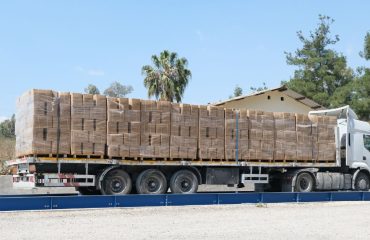
Testing also plays a role in maintaining safety standards. In transport and logistics, accurate weight measurements help prevent overloading. In manufacturing, they support quality control by ensuring products meet required specifications. Reliable measurements contribute to safer and more efficient operations.
Choosing the Right Approach to Scale Management
Managing weighing systems effectively requires more than occasional checks. A structured approach that includes regular testing, maintenance, and documentation provides greater control over performance. This ensures that equipment continues to meet both operational and regulatory requirements.
Working with qualified professionals supports this process. Experienced technicians understand how different environments and usage patterns affect equipment. Their expertise helps identify potential issues and maintain consistent performance over time.
Using properly calibrated testing equipment is also essential. Measurements must be traceable to recognised standards to ensure accuracy. This traceability provides confidence in the results and supports compliance during inspections.
Maintaining clear records of all testing and maintenance activities adds another layer of reliability. Documentation allows organisations to track performance, demonstrate compliance, and respond quickly to any concerns. Keeping these records organised simplifies audits and reduces administrative stress.
Maintaining Accuracy and Reliability Over Time
Consistent accuracy depends on ongoing attention. Scheduling regular inspections and testing helps maintain performance and extend the lifespan of equipment. Addressing small issues early reduces the likelihood of major failures and supports uninterrupted operations.
A proactive approach also improves efficiency. Well maintained systems operate more reliably, reducing downtime and allowing processes to run smoothly. This contributes to better overall productivity and cost control.
By treating testing and verification as part of a continuous process rather than a one off requirement, organisations can protect both compliance and performance. Reliable measurement supports fair transactions, safe operations, and long term confidence in the systems that underpin daily work.